
LAMPUNG, mybalinews.com – In an age dominated by rapid modernization and globalization, art and tradition are often seen as relics left behind. But in Lampung, that narrative is being reimagined.
On June 20–21, 2025, this vibrant southern gateway of Sumatra will become the stage for Pesenggiri Festival—a national-scale cultural celebration.
Founded by internationally acclaimed fashion designer and cultural advocate Selphie Bong, the festival is not merely an event, but an invitation to return to the roots of identity and collective memory.
“Pesenggiri is not just about showcasing culture—it’s about living it,” says Selphie. “We want to invite people—local and beyond—to not only observe, but to experience and reconnect with the values that shape who we are.”
A Living Philosophy in Motion
The word Pesenggiri is derived from Pi’il Pesenggiri, an ancestral philosophy of the Lampung people. It embodies values such as self-respect, hospitality, social harmony, and communal solidarity. These four guiding principles—Juluk Adok, Nengah Nyappur, Nemui Nyimah, and Sakai Sambayan—are not just referenced; they are enacted through thoughtfully curated programming.
From the vibrant “Temu Rasa dan Rupa” marketplace, to immersive creative workshops, collaborative performances, and culinary showcases, the festival is designed to bring these values to life in ways that are authentic, relevant, and deeply human.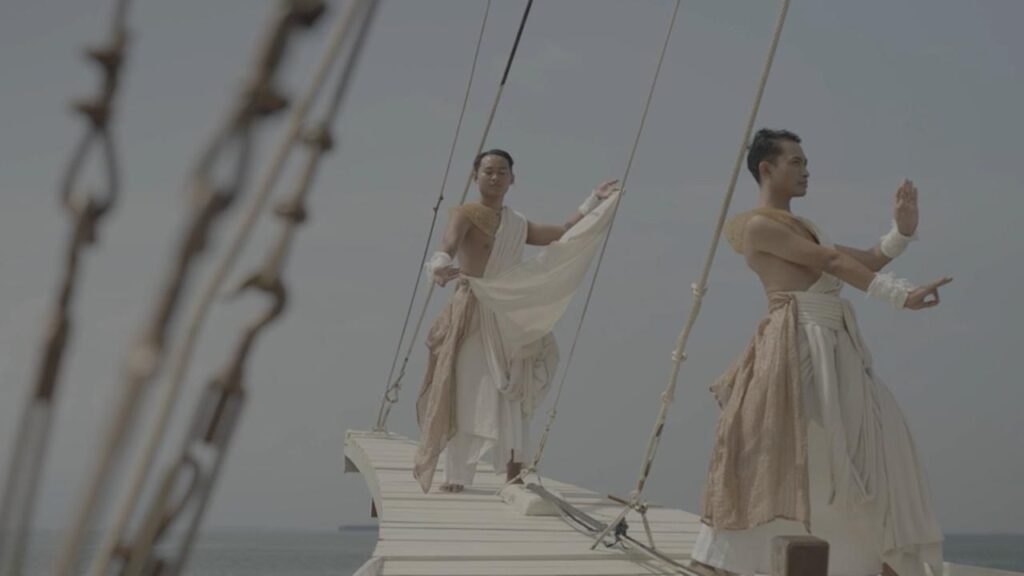
Jasmine Okubo and the Ritual of Moving Bodies
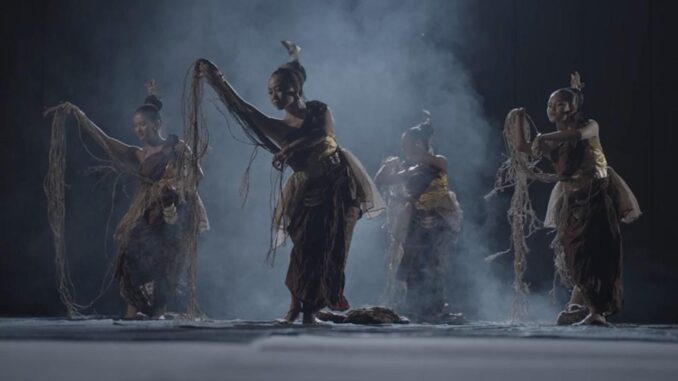
Among the most anticipated moments of the festival is a collaborative dance performance led by Jasmine Okubo, co-founder of Kitapoleng—a contemporary dance collective based in Bali. For this work, Jasmine and The Hurun team have gathered young dancers from various communities across Lampung, crafting a choreography that merges local embodiment with collective resonance.
“The body is a living archive,” Jasmine reflects. “It stores heritage, nurtures intuition, and creates a dialogue that words cannot reach. Through this piece, we want Lampung’s bodies to speak—with the rhythm of their own soil, the pulse of their histories, and the courage to keep dancing through shifting times.”
This is not merely a performance—it is a ritual in motion, fusing tradition and contemporary expression, spirituality and resistance. It’s a call to listen with the body and feel the land through movement, inviting audiences to witness dance as a form of cultural testimony.
From Stage to Screen: A Visual Narrative
Festival scenography and narrative direction are shaped by Gusti Dibal Ranuh, the event’s artistic director and video director. With his distinct visual language, Dibal is creating a cinematic ritual—an aesthetic thread that weaves the entire festival together, both as a live experience and a lasting visual story.
“Our goal is to present an aesthetic that feels grounded yet globally relevant,” says Dibal. “Through visual storytelling and embodied performances, we aim to carry local values across generations and borders.”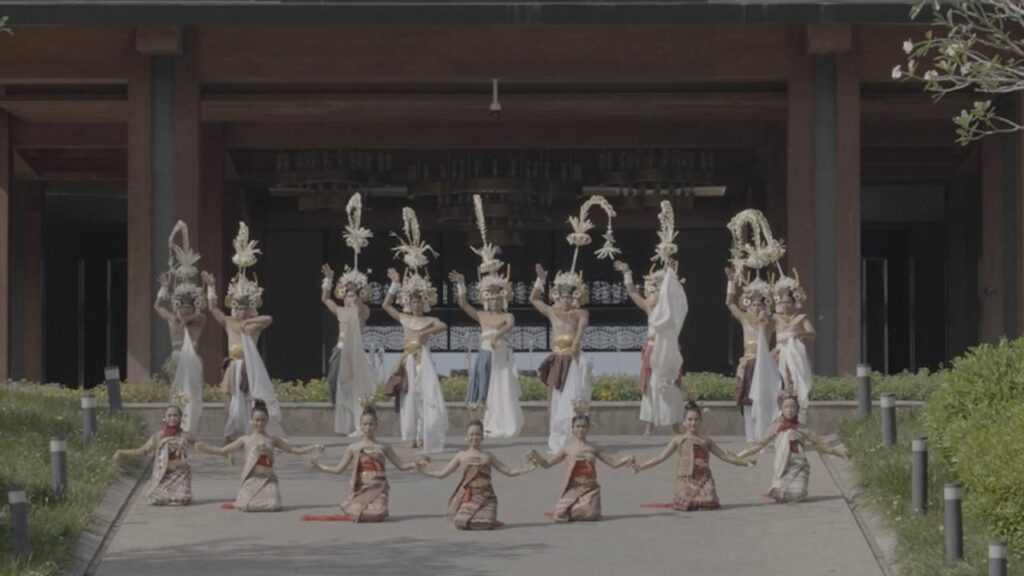
A Space to Learn, Share, and Grow
Pesenggiri also opens its doors to thoughtful discourse and creative exchange. The festival will host a series of workshops and thematic talks, featuring influential voices such as Helianti Hilman (founder of Javara Indigenous Indonesia) and Dian Maya Puspitasari (brand strategist at BIG Change Agency), who will speak on sustainability and culture-based entrepreneurship.
Culinary programs will highlight the richness of local flavors with cooking classes led by Chef Toni Azhari of Lampung Marriott and Devy Anastasia, finalist of MasterChef Indonesia. Meanwhile, art talks with Anshori Djausal and Dibal Ranuh will unpack how timeless, transformative art is made—with context, history, and deep cultural roots.
Building an Ecosystem, Not Just an Event
What distinguishes Pesenggiri Festival is its holistic vision. It is not designed as a one-off spectacle, but as a growing ecosystem of sustainability, creativity, and community resilience.
In collaboration with local artisans, farmers, and small enterprises, the festival features a Green Marketplace and Eco-Market showcasing sustainable products, organic food, and handmade crafts. It also acts as an incubator for dialogue on ethical tourism and cultural preservation.
“We’re not here to create fleeting memories,” Selphie adds. “We want to build legacy. Pesenggiri is our way of positioning Lampung as a vibrant cultural hub—with deep roots, and a wide-open horizon.”
A Strategic Gateway with Global Appeal
Set amidst nature yet easily accessible, The Hurun was chosen not only for its beauty, but also for its logistical ease. Located just outside the city center, the venue can be reached conveniently from Jakarta by ferry or a short flight—making it the ideal meeting point for local, national, and international guests.
The festival welcomes a diverse audience: from students and young creatives, to families, collectors, cultural institutions, and investors. With this reach, Pesenggiri is poised to become a catalyst for sustainable tourism and creative economy growth in the region.
And if by the closing night the Lampung sky is filled with the rhythm of dance, the scent of spice, and the warmth of shared laughter, then it will be clear: heritage is no longer something remembered—it is something alive, speaking, and moving through us all. (mybalinews/RLS/RFH)


Be the first to comment